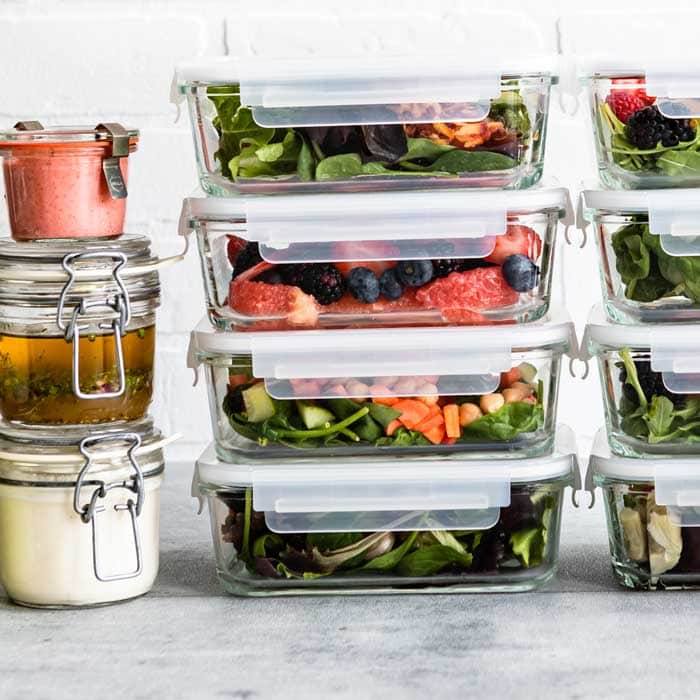
Why Meal Planning Supports a Balanced Routine
Thinking ahead about your meals — even just a little — can make a meaningful difference in how varied and balanced your food choices are throughout the week. When you have a loose plan in place, you are less likely to reach for whatever is quickest when hunger sets in.
This guide walks through a practical, low-effort approach to meal planning that focuses on balance and variety rather than strict rules or calorie counting.
This guide is for educational and informational purposes only and is not a substitute for personalized dietary advice. If you have specific nutritional needs or health considerations, consult a qualified nutrition professional.
The Basics of a Balanced Plate
A useful starting point for thinking about balance at each meal is to consider the proportions of what is on your plate. A widely recognized framework suggests filling roughly half your plate with vegetables and fruit, a quarter with whole grains or starchy foods, and the remaining quarter with protein-rich foods.
This is a general guide, not a rigid prescription. The proportions will naturally vary depending on the meal, your preferences, and your circumstances.
Vegetables and Fruit
Aim for variety and color across the week. Different colored produce tends to offer different nutritional profiles, so mixing things up is a straightforward way to add variety.
Whole Grains
Brown rice, oats, whole wheat bread, quinoa, and barley are examples of whole grains that provide fiber alongside energy and keep you feeling fuller for longer.
Protein-Rich Foods
Legumes, eggs, fish, poultry, tofu, and lean cuts of meat are all options that contribute protein. Plant-based options like lentils and chickpeas are also rich in fiber.
Healthy Fats
Nuts, seeds, avocado, and oils like olive oil provide fats that are part of a varied diet. These add flavor and contribute to a sense of satisfaction after eating.